
Why Your Marketing Feels Busy but Not Effective
A lot of businesses are active in marketing. Campaigns are running, content is being posted, ads are live.
But when you look at results closely, something feels off.
Traffic shows up. Engagement looks decent. Yet conversions stay inconsistent. Sometimes they drop without any clear reason.
That usually leads to the same questions.
Is the budget too low? Are the platforms not working anymore?
In most cases, the issue sits somewhere else.
It comes down to how everything is structured.
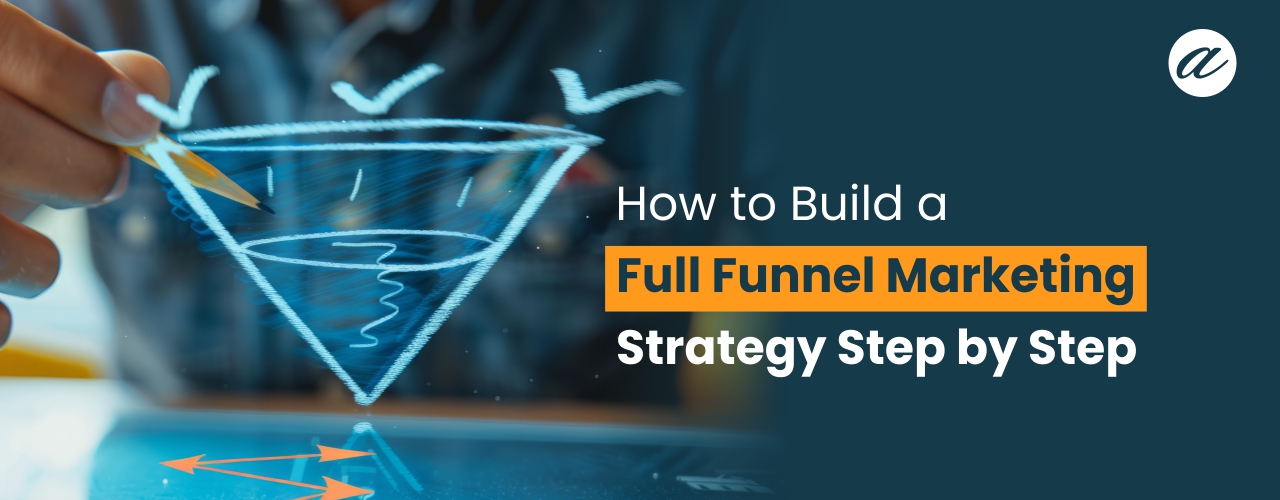
Without a clear funnel, marketing turns into a series of disconnected efforts. A full funnel strategy fixes that by guiding people from first interaction to final decision in a way that actually makes sense.
What Is a Full Funnel Marketing Strategy?
A full funnel marketing strategy is not complicated in theory. It simply means you are not treating every user the same.
People move through stages before they decide to buy. Ignoring that process is where most campaigns start to break.
The funnel is usually divided into three parts:
- Top of Funnel, where people first discover your brand
- Middle of Funnel, where they start evaluating options
- Bottom of Funnel, where they decide whether to take action
Sounds simple. But in practice, most brands blur these stages.
They try to sell too early, or they keep educating when the user is already ready to buy. Both hurt performance.
Why Most Marketing Funnels Don’t Work
On paper, funnels look easy to implement. In reality, they often fall apart.
One common mistake is rushing the process. Businesses push offers to people who barely know them. That rarely works.
Another issue is messaging. The same content gets shown to everyone, regardless of where they are in the journey.
There is also the problem of intent. If you are not matching what the user is looking for at that moment, even a well-designed campaign will struggle.
And then there is trust. Many strategies skip it entirely.
Without trust, conversion becomes much harder than it needs to be.
Stage 1: Top of Funnel (TOFU) – Getting Attention the Right Way
At this stage, selling should not be your focus.
This is where many campaigns go wrong. They treat new users like ready buyers.
In reality, people at the top of the funnel are just exploring. Some are curious. Some are trying to understand a problem. Very few are ready to act.
So the goal here is simple. Get noticed, but in a useful way.
Content that performs well at this stage usually:
- Answers a question
- Explains a concept
- Offers quick value without asking for anything
This could be blog posts, social content, short videos, or SEO-driven articles.
If your content feels helpful, people stay. If it feels like a pitch, they leave.
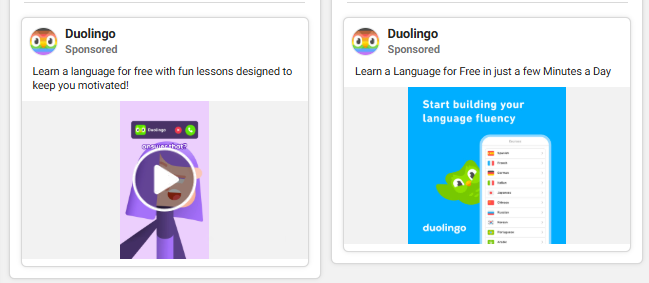
TOFU Example: Duolingo
Most of their content doesn’t even feel like marketing. It’s just short, funny videos that show up on your feed at the right time. Sometimes it’s their mascot doing something weird, sometimes it’s jumping on a trend.
There’s no hard selling. No “download now” push in every post.
But after seeing them again and again, you remember the brand.
That’s the point. At this stage, they’re not trying to convert you. They’re just making sure you don’t forget them.
Stage 2: Middle of Funnel (MOFU) – Building Trust Over Time
Once someone knows your brand, the dynamic changes.
Now they are not just browsing. They are comparing.
This is where trust becomes important. Not in a vague sense, but in a practical one.
People want to see proof that you understand the problem and can offer a solution.
This is where content like case studies, email sequences, guides, or even retargeting ads starts to work better.
You are not pushing for a sale yet. You are reducing doubt.
It takes time, and that is something many brands underestimate.
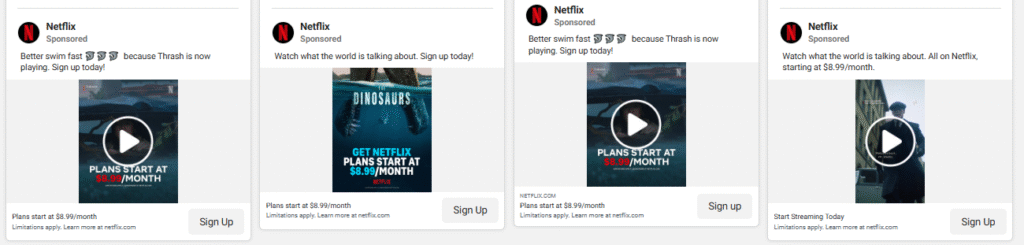
MOFU Example: How Netflix Builds Consideration
Take Netflix for a moment.
After you’ve heard of it, they don’t rush you into buying anything. You just keep running into the brand in small ways.
A trailer pops up while you’re scrolling. Later, you get a recommendation that feels oddly specific. Sometimes it’s an email suggesting what to watch, sometimes it’s just a clip making rounds online.
None of this asks you to subscribe directly.
But it does something else. It keeps reminding you what you might be missing.
You don’t decide immediately. Most people don’t. But the idea sits there in the back of your mind a little longer each time.
That’s usually how consideration builds. Not through pressure, but through repeated relevance.
Stage 3: Bottom of Funnel (BOFU) – Turning Interest Into Action
By the time someone reaches this stage, they are close to making a decision.
Now clarity matters more than creativity.
Your offer should be easy to understand. Your message should remove hesitation, not add complexity.
This is where landing pages, testimonials, demos, and clear calls to action come into play.
Small issues here can hurt conversions more than you expect. A confusing page or weak proof can make people drop off even after all the effort spent earlier.
So the focus shifts from attracting to converting.
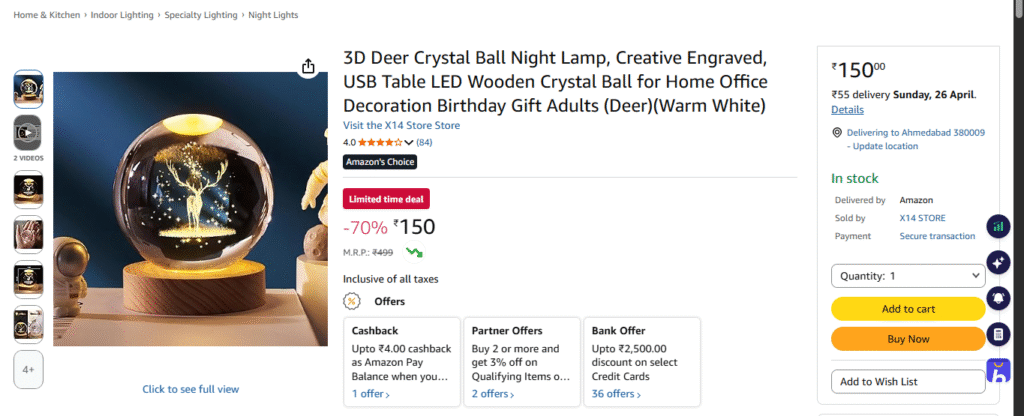
BOFU Example: How Amazon Drives Instant Conversions
Now compare that with Amazon when you’re already ready to buy.
The experience feels very different.
You land on a product, and almost everything you need is right there. Price, delivery time, reviews, alternatives. No digging around.
And then there’s that one button. You click it, and the order is basically done.
There’s no moment where you stop and think, “What should I do next?”
That part has already been decided for you.
At this stage, the goal isn’t to explain anything. It’s to make sure nothing slows you down.
When it works well, the process feels almost effortless.
Connecting the Funnel: Where Most Strategies Break
Having all three stages is not enough.
What really matters is how they connect.
Many brands treat them like separate pieces. Content is created in isolation. Campaigns run without coordination. Messaging changes from one stage to another.
That creates friction.
A better approach is to think in terms of flow. Someone reads a blog, then sees a retargeting ad, then lands on a page that continues the same conversation.
When the journey feels consistent, conversions improve naturally.
Choosing the Right Channels for Each Stage
Not every channel works equally well across the funnel.
At the top, discovery platforms perform better. SEO, social media, and video content help you reach new audiences.
In the middle, channels that allow follow up become more useful. Email marketing and retargeting play a bigger role here.
At the bottom, intent matters most. Paid ads with clear targeting and optimized landing pages tend to perform better.
Trying to use one channel for everything usually leads to average results.
Common Funnel Mistakes That Hurt Performance
Even with a decent strategy, small mistakes can create big gaps.
Some of the common ones include:
- Skipping the awareness stage completely
- Targeting people who are not relevant
- Using weak or unclear messaging
- Sending traffic to poorly designed pages
- Not following up with interested users
None of these are complicated problems. But together, they can seriously limit performance.
A Simple Way to Build Your Funnel Step by Step
If you want to simplify things, start here.
First, define who you are trying to reach. Be specific.
Then create content that attracts attention without pushing for a sale.
Once you have that, focus on building trust. Offer value, share insights, and stay consistent.
After that, make your offer clear and easy to act on.
Finally, track what is working and improve it over time.
This process is not quick, but it is reliable.
A Quick Example to Put Things Into Perspective
Think about a business running ads directly to a sales page.
Sometimes it works. Often it does not.
Now compare that with a structured approach.
A blog post brings in traffic. Some users sign up for more information. They start seeing relevant ads later. Eventually, they land on a page that matches what they have already seen.
The difference is not dramatic in any single step. But together, it creates a smoother path.
And that usually leads to better results.
Conclusion: Structure Matters More Than Activity
Marketing does not fail because of lack of effort. It fails because that effort is not aligned.
A full funnel strategy brings structure into the process.
It helps you reach the right people, build trust gradually, and convert when the timing is right.
Without it, even well-executed campaigns struggle to deliver consistent results.
What You Should Do Next
If your marketing feels active but not effective, take a closer look at your funnel.
Find the points where people lose interest or drop off.
Fixing those gaps often makes a bigger difference than increasing your budget.
Because in the end, better structure almost always beats more activity.